
Table of Contents
ToggleWhy Does Your Face Look Dark in Winter? Causes, Mistakes & Effective Solutions
Winter is a beautiful season, but for your skin, it can be quite challenging. Many people notice that their face looks darker, dull, dry, or uneven during winter, even if they have clear and glowing skin in other seasons.
If you often ask yourself, “Why does my face look dark in winter?”, you are not alone. This is a very common skincare concern, especially in cold and dry weather. The good news is that winter skin darkness is not permanent and can be improved with the right care.
In this detailed guide, you’ll learn the real reasons behind winter skin darkening, common mistakes people make, and effective solutions to restore your natural glow.
Many people wonder why does your face look dark in winter, even when their skin looks healthy in other seasons.
Understanding why does your face look dark in winter is important to fix dryness, dullness, and uneven skin tone.
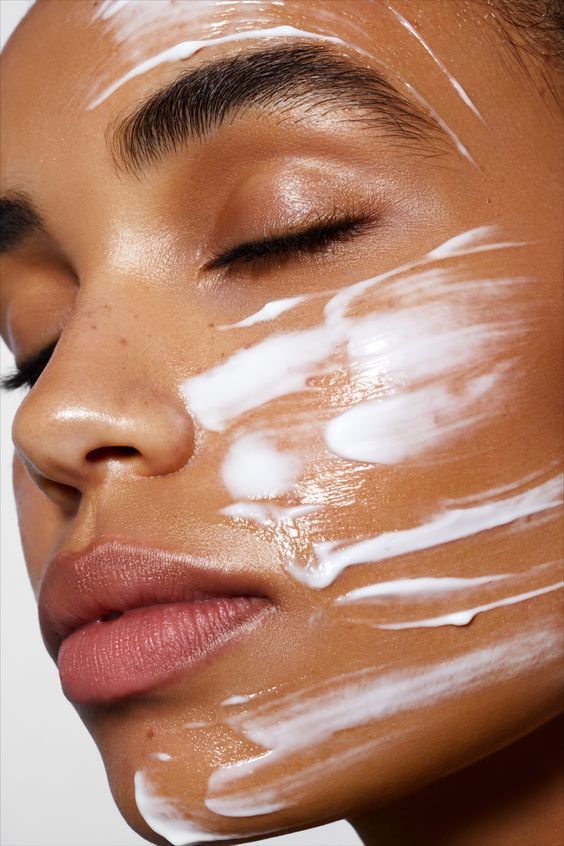

How Winter Weather Changes Your Skin
Winter air contains very little moisture. Cold winds outside and dry heating indoors pull hydration from your skin. When your skin loses moisture, its protective barrier becomes weak. This leads to dryness, irritation, and a dull appearance.
Healthy skin reflects light evenly, which makes it look bright. Dry and damaged skin reflects less light, making the face appear dark, tired, and lifeless.
Main Reasons Why Does Your Face Look Dark in Winter
1. Extreme Dryness and Dehydration
Low humidity levels in winter cause rapid moisture loss from the skin. When your skin becomes dry:
Dead skin cells accumulate
Skin texture becomes rough
Natural glow disappears
Dry skin often looks darker because it lacks smoothness and hydration.
2. Dead Skin Cell Build-Up
Skin renewal slows down in cold weather. If dead skin is not removed regularly:
Old cells stay on the surface
Skin tone becomes uneven
Face looks dull and darker
Skipping exfoliation is one of the biggest reasons for winter dullness.
3. Skipping Sunscreen in Winter
Many people believe sunscreen is only necessary in summer, but this is a major myth.
UVA rays are present all year
They penetrate clouds and glass
They cause pigmentation and tanning
Not using sunscreen allows UV rays to darken your skin even in winter. This is one of the top reasons dermatologists stress year-round sun protection.
4. Washing Face with Hot Water
Hot water feels relaxing in cold weather, but it damages your skin by:
Stripping natural oils
Weakening the skin barrier
Increasing dryness and irritation
This results in dull, dark-looking skin over time.
5. Using the Wrong Skincare Products
Many people continue using:
Harsh soaps
Alcohol-based cleansers
Lightweight summer moisturizers
These products fail to provide the nourishment winter skin needs, leading to dryness and dark patches.
6. Poor Hydration and Nutrition
In winter, people often:
Drink less water
Eat fewer fruits and vegetables
This affects blood circulation and slows skin repair, making the face look dull and dark.
7. Pollution and Environmental Stress
Winter pollution levels are often higher. Pollutants:
Settle on the skin
Clog pores
Damage skin cells
This contributes to pigmentation and loss of brightness.
Read more about why does your face look dark in winter and how sunscreen prevents pigmentation.
Common Winter Skincare Mistakes That Darken Skin
Another explanation of why does your face look dark in winter is skipping sunscreen.
Avoiding exfoliation
Using hot water on the face
One major reason why does your face look dark in winter is lack of moisture.
Sleeping with makeup on
- Drinking less water.
- Pollution is also a factor in why does your face look dark in winter for many people.
Avoiding these mistakes can improve your skin tone significantly.
🔹Does Winter Cause Hyperpigmentation on the Face?
Many people experience hyperpigmentation during winter due to dry skin, sun exposure, and pollution. When the skin barrier is weak, melanin production increases, leading to dark spots and uneven skin tone. Winter sun may feel mild, but UVA rays still damage the skin and worsen pigmentation.
🔹 Why Does My Face Look Darker Than My Body in Winter?
The face is more exposed to sun, pollution, and cold air than the rest of the body. Unlike the body, people often skip sunscreen and deep moisturization on the face during winter. This uneven care causes the face to look darker than the body.
🔹Best Ingredients to Prevent Dark Face in Winter
(Ingredient-based searches rank fast)
Look for skincare products containing:
Niacinamide – reduces pigmentation and dullness
Ceramides – repairs the skin barrier
Hyaluronic Acid – deeply hydrates dry winter skin
Vitamin C – boosts brightness and glow
Using the right ingredients consistently helps maintain an even skin tone.
🔹Foods That Help Brighten Skin in Winter
What you eat reflects on your skin. Include these foods in winter:
Citrus fruits (Vitamin C)
Carrots and sweet potatoes (Beta-carotene)
Nuts and seeds (Healthy fats)
Green leafy vegetables
These foods improve blood circulation and prevent dull skin.
🔹Signs Your Skin Barrier Is Damaged in Winter
You may have a damaged skin barrier if you notice:
Excess dryness and flakiness
Burning sensation after applying products
Sudden pigmentation or dark patches
Makeup sitting unevenly on skin
Repairing the skin barrier is essential to prevent winter skin darkening.
🔹When Should You Visit a Dermatologist?
If your face remains dark even after proper skincare, or if pigmentation worsens, consult a dermatologist. Conditions like melasma, eczema, or contact dermatitis may need professional treatment.
Why Does Your Face Look Dark in Winter Despite Using Skincare Products?
Many people complain that even after using face wash, moisturizer, and serum, their face still looks dark in winter. This happens because winter skincare products take time to show results, especially when the skin barrier is already damaged. If products are not layered correctly or hydration is insufficient, dryness continues and the face looks dark in winter despite skincare efforts.
Using products inconsistently or switching products frequently can also slow down visible improvement. Winter skin requires patience, consistency, and barrier-repair focused care.
How Long Does Winter Face Darkening Last?
Winter face darkening usually improves within a few weeks if proper care is taken. Once hydration levels are restored and dead skin buildup is removed, the skin gradually regains its natural brightness. However, if dryness and sun exposure continue, the dark appearance may last throughout the winter season.
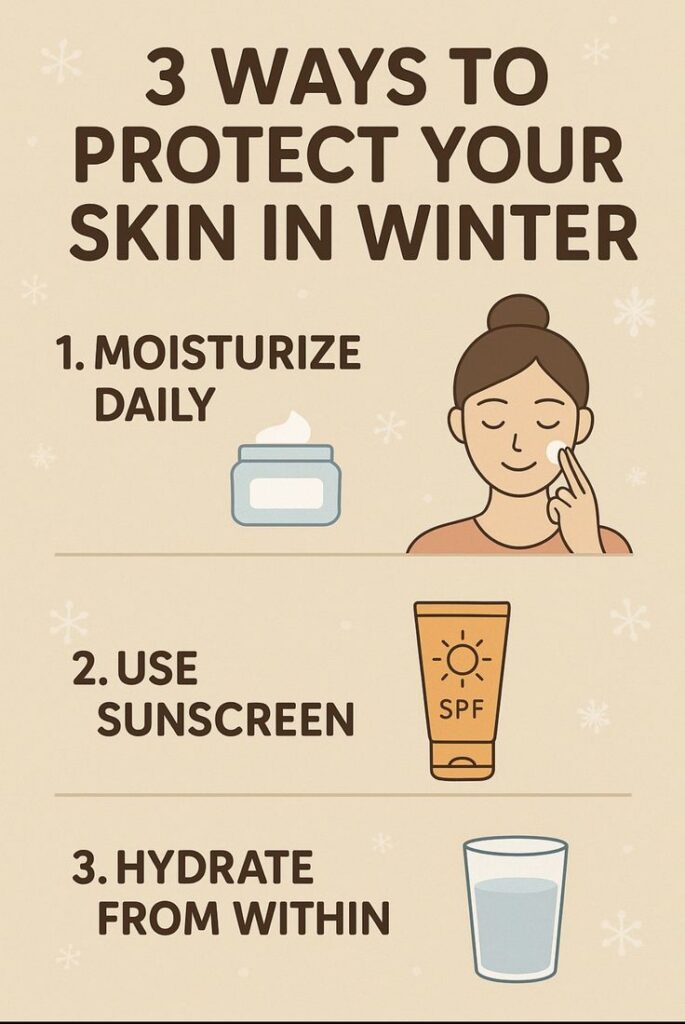
Effective Solutions to Prevent Winter Skin Darkness
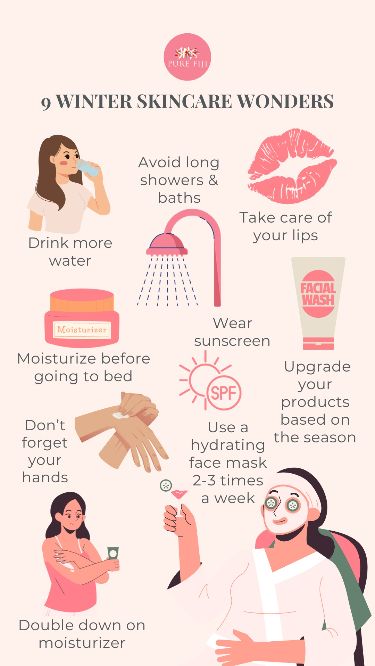
1. Use a Gentle, Hydrating Cleanser
Choose a sulfate-free cleanser
Wash your face only twice daily
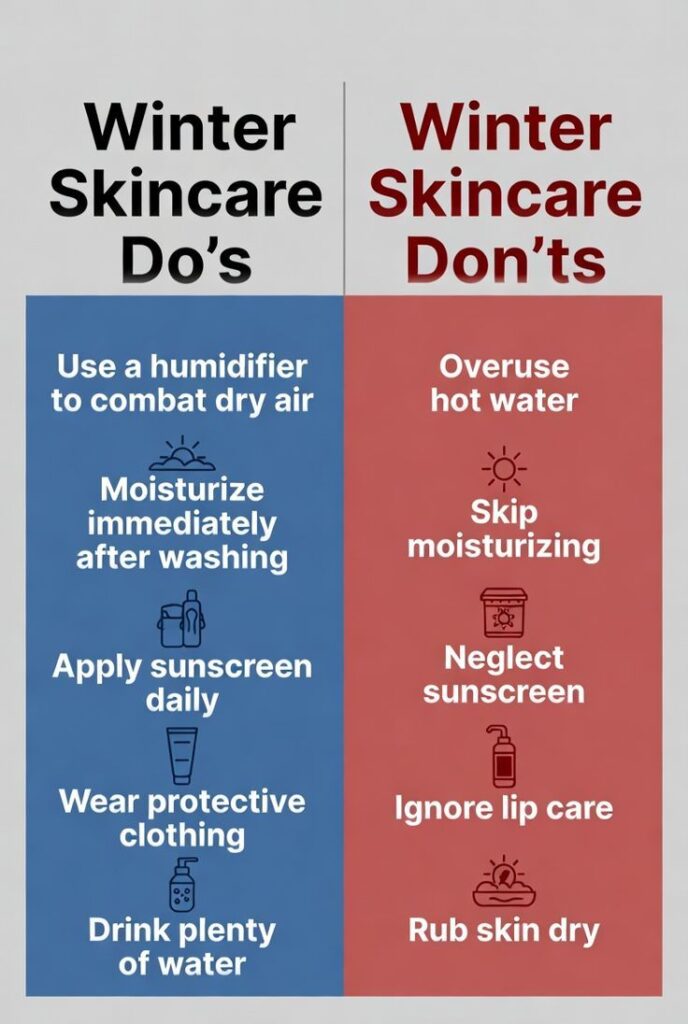
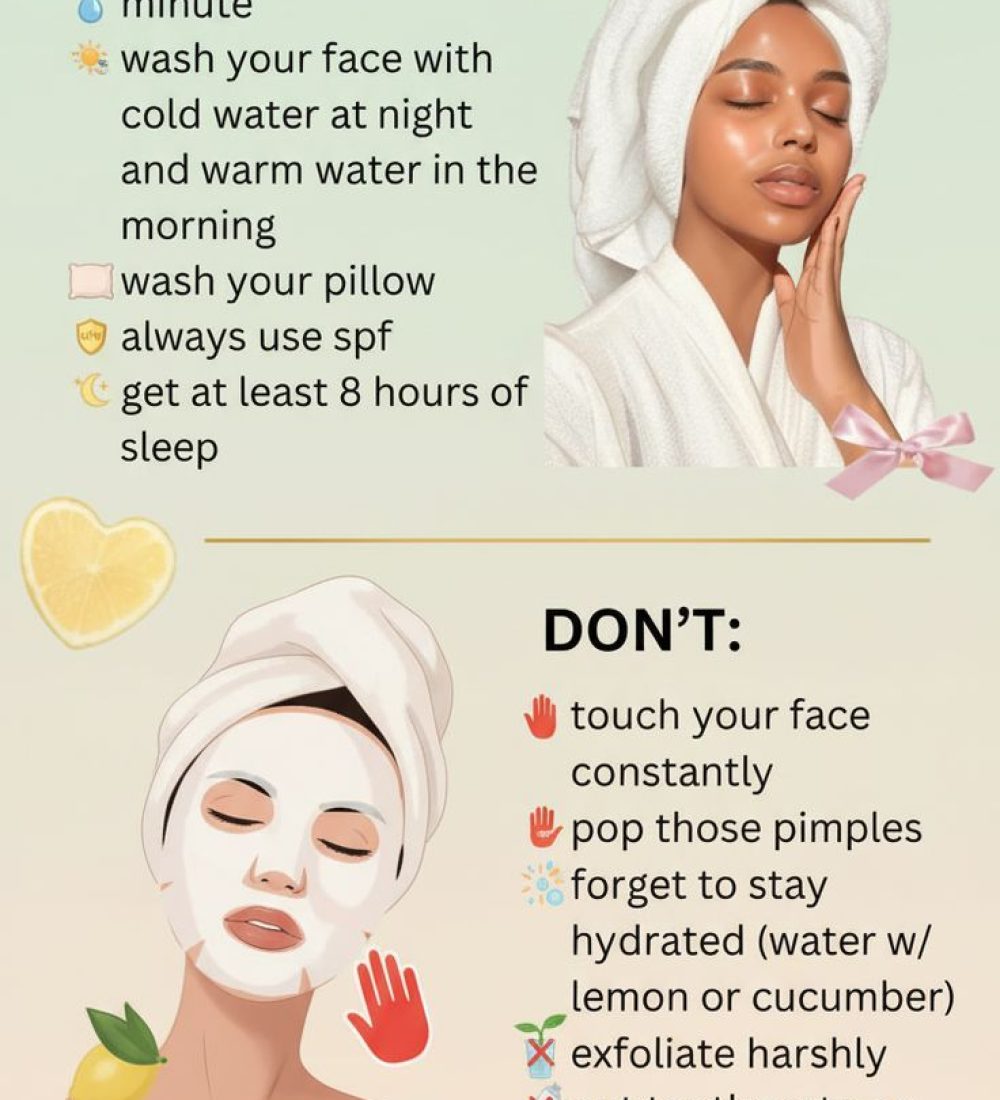
Use lukewarm water instead of hot
This helps protect your skin’s natural moisture barrier..
If You know more and best cleanser advice Read here.
2. Exfoliate 1–2 Times a Week
Exfoliation removes dead skin cells and improves skin brightness.
Use mild scrubs or chemical exfoliants
Avoid over-exfoliating
Regular exfoliation reveals fresh, glowing skin.
3. Apply Sunscreen Every Single Day
Use SPF 30 or higher
Apply even on cloudy days
Reapply when outdoors for long hours
This step alone can prevent winter tanning and pigmentation, as recommended by Google skincare guidelines.
4. Moisturize Deeply and Correctly
Choose moisturizers with ingredients like:
Ceramides
Glycerin
Hyaluronic Acid
Shea Butter
Apply moisturizer on slightly damp skin to lock in hydration.
5. Improve Water Intake and Diet
Drink 8–10 glasses of water daily
Eat seasonal fruits like oranges, apples, and papaya
Include green vegetables in your meals
Healthy skin starts from within.
Natural Home Remedies for Dark Face in Winter
Honey and Milk Face Mask
Mix 1 teaspoon honey with 1 teaspoon milk
Apply for 15 minutes
Rinse with lukewarm water
This mask deeply moisturizes and improves skin brightness.
Potato Juice
Potato contains natural enzymes that help reduce pigmentation.
Apply fresh potato juice for 10–15 minutes
Use regularly for best results
Aloe Vera Gel
Repairs dry and damaged skin
Reduces dullness
Improves overall skin tone
Apply overnight for maximum benefits.
Oatmeal and Curd Scrub
Gently removes dead skin
Improves texture
Restores natural glow
Use once a week.
Winter Night Skincare Routine
Gentle face wash
Hydrating toner
Serum (Vitamin C or Niacinamide)
Rich moisturizer
Lip balm and under-eye cream
Consistency matters more than expensive products.
Morning Skincare Routine for Winter
Face wash
Moisturizer
Sunscreen
Light makeup if required
How Long Does It Take to See Results?
With proper care:
Skin starts improving in 2–3 weeks
Texture becomes smoother
Face looks brighter and healthier
Frequently Asked Questions
Can your face get tanned in winter?
Yes, UV rays can cause tanning even in cold weather.
Are home remedies enough to fix dark skin?
They help, but a consistent skincare routine is essential.
Should oily skin use moisturizer in winter?
Yes. Oily skin also needs hydration—choose lightweight formulas.
Q. Why does your face look dark in winter even without sun exposure?
A. One common reason why does your face look dark in winter is dryness and dead skin buildup.
Q. Why does your face look dark in winter even if you stay indoors?
A. One reason why does your face look dark in winter even indoors is exposure to UVA rays through windows and lack of moisture.
Final Thoughts
Winter skin darkness is common, but it is completely manageable. With daily sunscreen use, proper hydration, and gentle skincare habits, you can maintain bright, healthy, glowing skin throughout winter.
Now you know why does your face look dark in winter and how simple skincare habits can fix it.
Once you understand why does your face look dark in winter, preventing it becomes easy.
Focus on consistency, not quick fixes.